History · 1911 – 1990 · 10 min read
Russian Civil War & 1920s Mongolia: Urga, Ulaanbaatar & The Path to Democracy in Modern Mongolia
Mongolia did not choose to join the Russian Civil War. The war arrived across the Transbaikal frontier on horseback, destroyed the country's theocracy, installed a revolutionary government that lasted seven decades, and left a capital city with a new name.
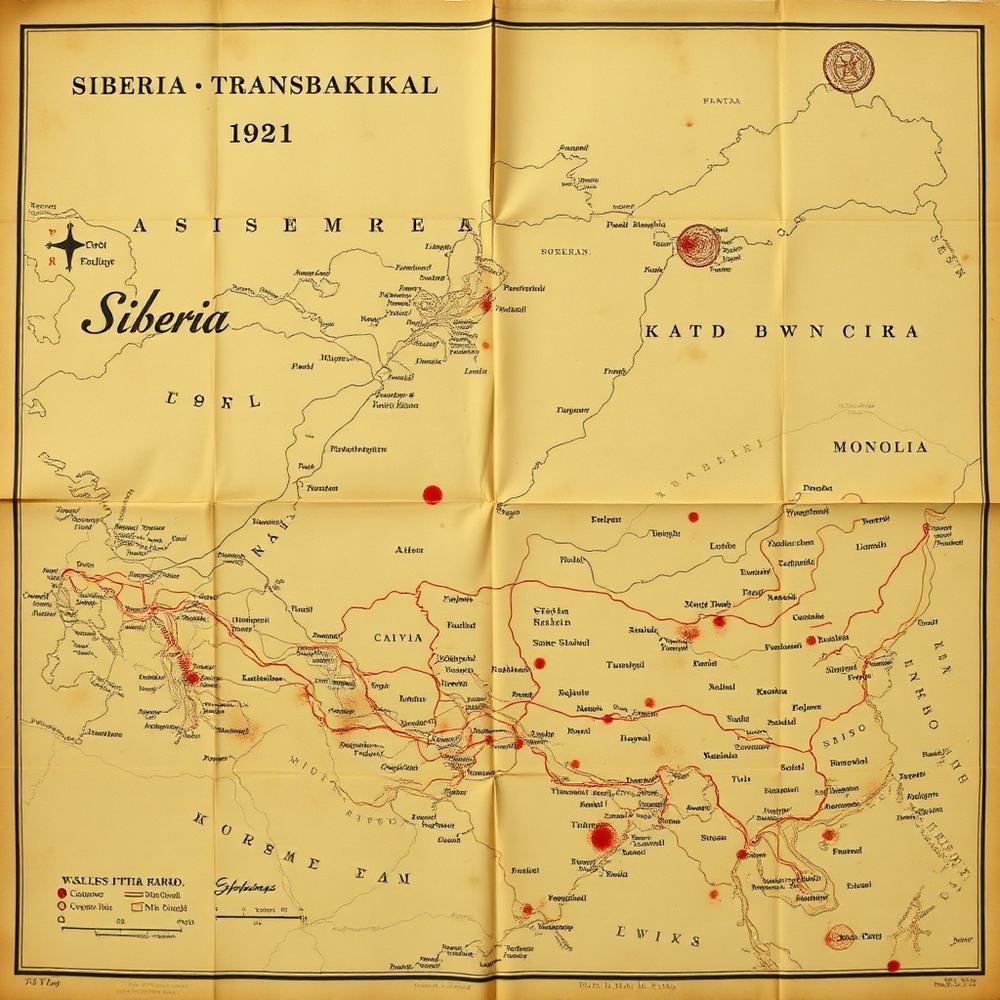
1911: Independence Between Two Collapses
When the Qing dynasty fell in 1911, Outer Mongolia's princes and high lamas declared independence and enthroned the Bogd Khan. The new state's problem was structural: it had legitimacy, territory and almost no coercive or fiscal capacity, and it sat between a Chinese republic that never accepted the secession and a Russian Empire that preferred a weak buffer to an independent neighbour. The 1915 Kyakhta Agreement produced the compromise — autonomy under nominal Chinese suzerainty with Russian guarantees.
That settlement depended entirely on Russia being able to enforce it. After 1917, Russia could not.
1919: The Chinese Return
General Xu Shuzheng's Northwestern Frontier Army occupied Urga in 1919 and forced the annulment of autonomy. The Bogd Khan was made to sign away the independence he embodied and was confined to the Green Palace; Mongolian units were disarmed; requisitions fell on monasteries and merchants alike.
The occupation radicalised a generation of young Mongolians. Two small underground circles — one around Sükhbaatar, one around Choibalsan — merged in 1920 into what became the Mongolian People's Party and went north looking for a patron. They found one in Soviet Russia, which had no interest in Mongolia until Ungern gave it one.
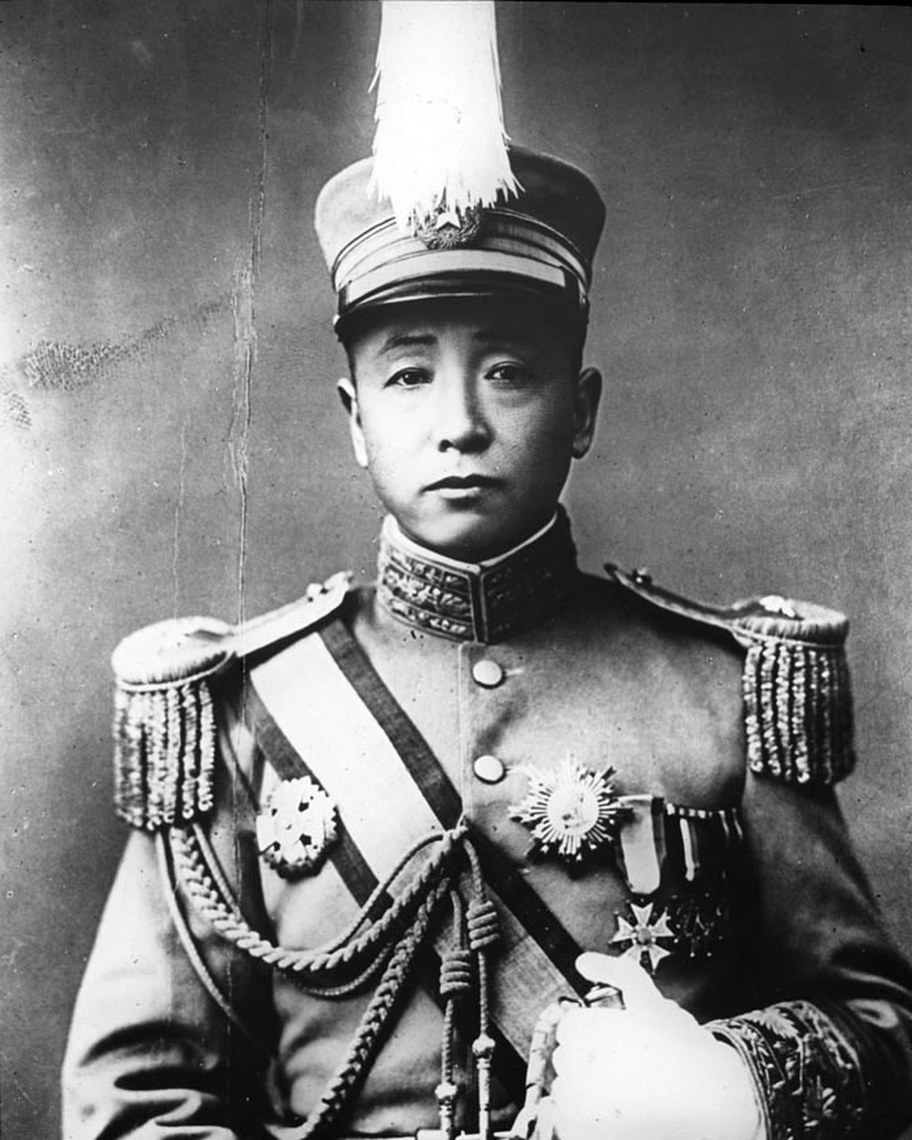
1921: The Year Everything Changed
Ungern's Asian Cavalry Division took Urga in February 1921 and restored the Bogd Khan, then spent four months making the restoration intolerable through Sipailov's terror and the sack of the Russian and Jewish quarters. In March the Mongolian People's Party held its founding congress at Kyakhta and formed a provisional government; in May Ungern invaded Soviet Siberia and gave Moscow the legal pretext it wanted.
The Fifth Red Army and Mongolian partisan units broke the division in June, entered Urga on 6 July 1921, and installed a revolutionary government with the Bogd Khan as constitutional figurehead. Ungern was captured in August and shot in September. Mongolia's national holiday, Naadam, is dated from that July.
From Urga to Ulaanbaatar
The Bogd Khan died in 1924. The search for his reincarnation was banned, the Mongolian People's Republic was proclaimed as the world's second socialist state, and Urga — Niislel Khüree — was renamed Ulaanbaatar, 'Red Hero', after Sükhbaatar. The renaming is the cleanest marker of what 1921 actually did: it replaced a sacred city with a national capital.
Seventy Years of Alignment
The People's Republic followed the Soviet trajectory closely and brutally: collectivisation of herds, the destruction of the monastic system in the late 1930s with the killing of tens of thousands of lamas, purges that consumed the revolution's own leadership, and an economy fully integrated with the USSR. It also delivered mass literacy, urbanisation and a modern medical system — the standard double ledger of Soviet-model development.
Mongolia's mineral wealth, including the goldfields once worked by concessions like Mongol'Or, was nationalised and folded into state enterprises. The corporate structures that made the gold story of 1921 possible simply ceased to exist as private entities, which is one reason the paper trail from that period is so hard to follow.
1990: A Revolution Without Bloodshed
When Soviet subsidies collapsed, Mongolia's transition was strikingly unlike its 1921 one. Hunger strikes and mass demonstrations on Sükhbaatar Square in the winter of 1989–90 led the Politburo to resign in March 1990. Multi-party elections followed that summer; a new constitution in 1992 established a parliamentary democracy with a directly elected president.
Modern Mongolia is a functioning democracy wedged between two authoritarian giants, with an economy again dominated by mining. The line from the concession disputes of 1911 to the resource politics of today is unbroken — which is why the events of 1921 remain live history in Ulaanbaatar rather than costume drama.
Historical Sources & Further Reading
- C. R. Bawden, The Modern History of Mongolia (Kegan Paul).
- Thomas E. Ewing, Between the Hammer and the Anvil? (Indiana University, 1980).
- Kyakhta Agreement, 1915 — text and Russian diplomatic annexes.
- Morris Rossabi, Modern Mongolia: From Khans to Commissars to Capitalists (University of California Press, 2005).
- Comintern and Soviet Foreign Ministry files on the Mongolian question, 1920–1924.
- Mongolian People's Party founding congress records, Kyakhta, March 1921.