Politics & Religion · 1911 – 1924 · 8 min read
The Bogd Khan & The Liberation of Urga
A blind god-king held under house arrest by a Chinese garrison, and a foreign cavalry officer who needed a legitimate sovereign more than he needed a city. The liberation of Urga in February 1921 was a rescue, a coronation and a conquest performed in the same week.
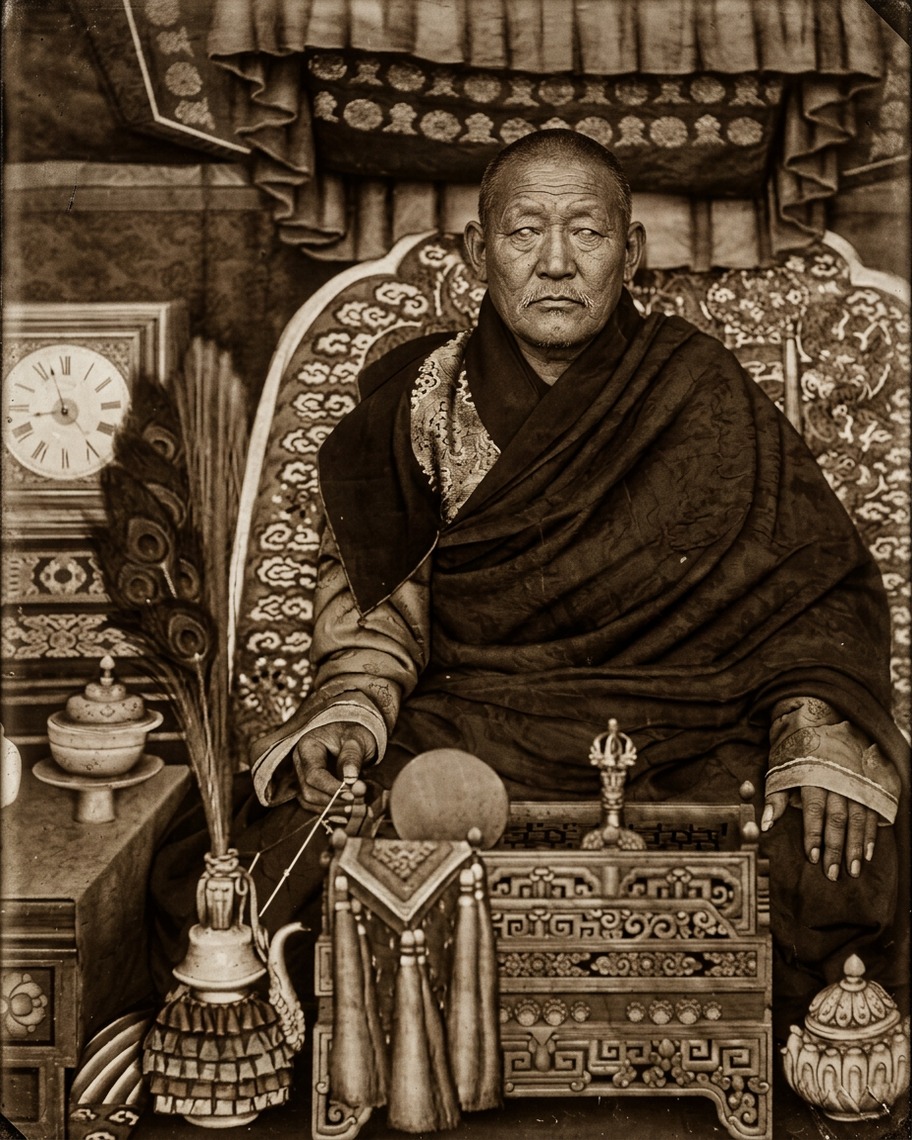
The Eighth Jebtsundamba Khutuktu
The Bogd Khan was born in Tibet in 1869 and installed in Urga as the eighth Jebtsundamba Khutuktu, the highest incarnate lama of Mongolian Buddhism and the third-ranking figure in the Gelug hierarchy after the Dalai and Panchen Lamas. When the Qing dynasty collapsed in 1911, Mongolia's princes and monasteries did the obvious thing: they declared independence and made their living Buddha a monarch, the Bogd Khan — Holy Emperor.
He was not a monk-recluse. He ran a court, a treasury, a customs regime and a network of monastic estates; he owned motorcars and a menagerie; by 1920 he was blind, widely believed to be syphilitic, and still the single institution every Mongolian faction had to negotiate with. Any power that wished to govern Mongolia had to either hold him or be blessed by him.
The Green Palace
His winter residence on the south bank of the Tuul, the Green Palace, is the physical stage of this story: a Russian-built ensemble of pavilions and gates that functioned as throne room, temple, treasury and — after 1919 — prison. The palace still stands in Ulaanbaatar as a museum, which is why the events of February 1921 can be reconstructed room by room.
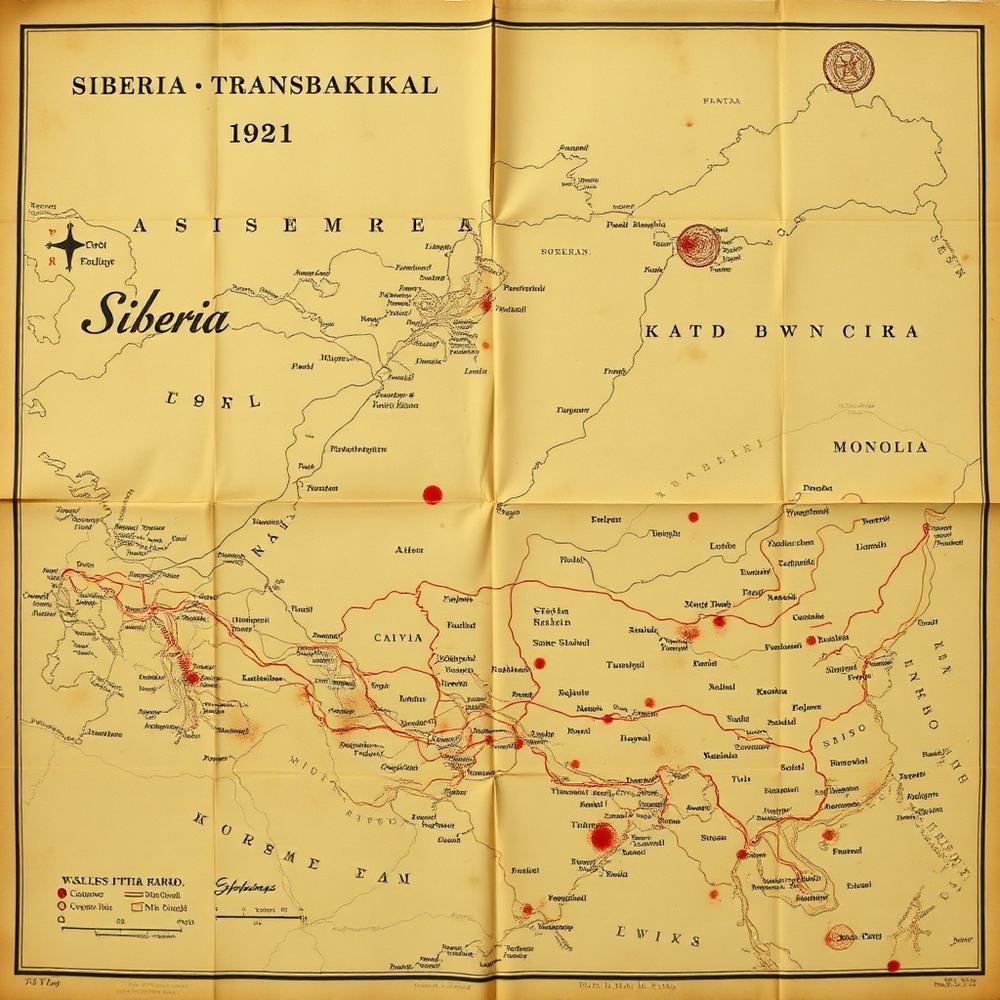
The Chinese Occupation, 1919–1921
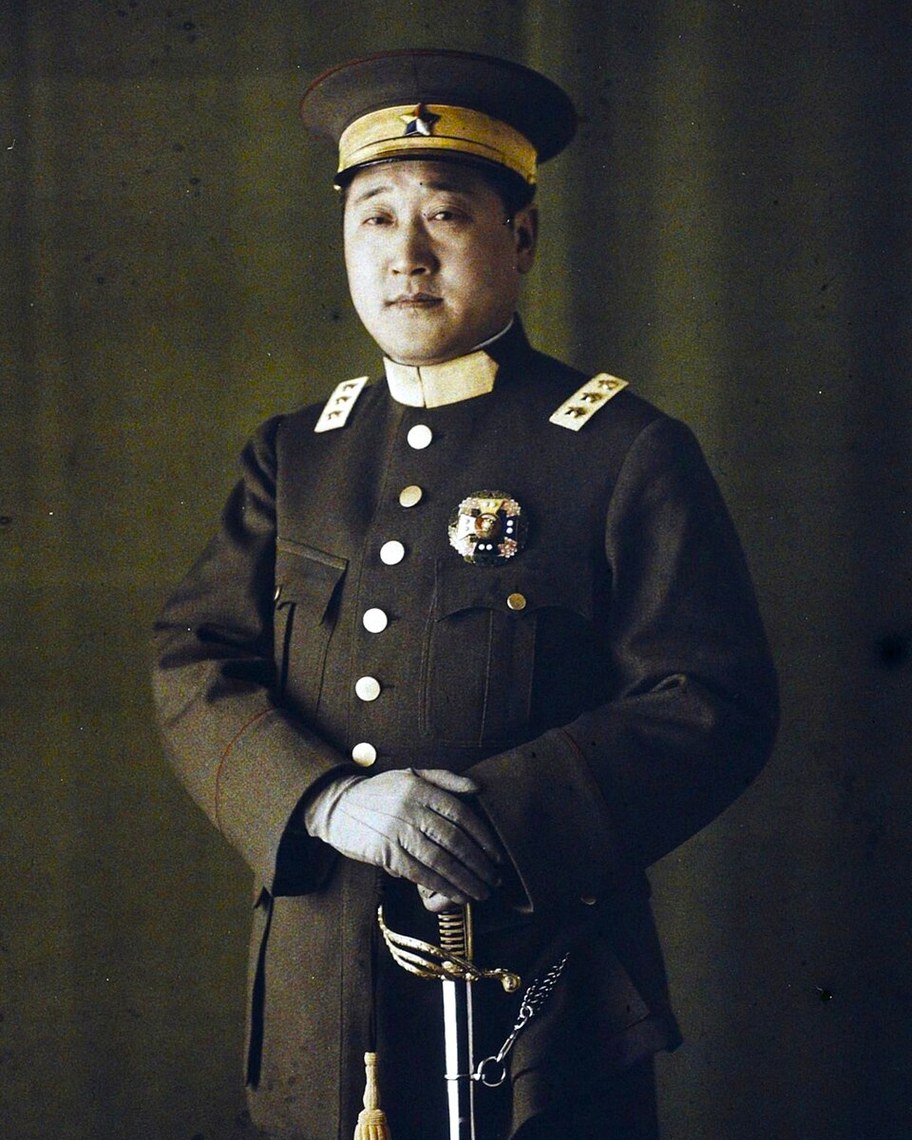
In 1919 the Chinese general Xu Shuzheng marched into Urga at the head of the Northwestern Frontier Army and forced the annulment of Mongolian autonomy. The Bogd Khan was made to sign a petition renouncing the independence his own court had proclaimed, was stripped of effective authority and placed under guard in the Green Palace. Mongolian troops were disarmed; monastic revenues were taxed; the ceremony of submission was staged in front of the palace with the Mongolian princes kneeling.
The occupation was not popular with anyone, including Urga's Chinese merchant community in Maimaicheng, who paid for its requisitions. It created the political vacancy Ungern would fill: by 1920 Mongolia's monarch was a prisoner, its army dissolved, its nobility humiliated, and its most credible protector — the Russian Empire — extinct.
February 1921: The Rescue That Was Also a Storm
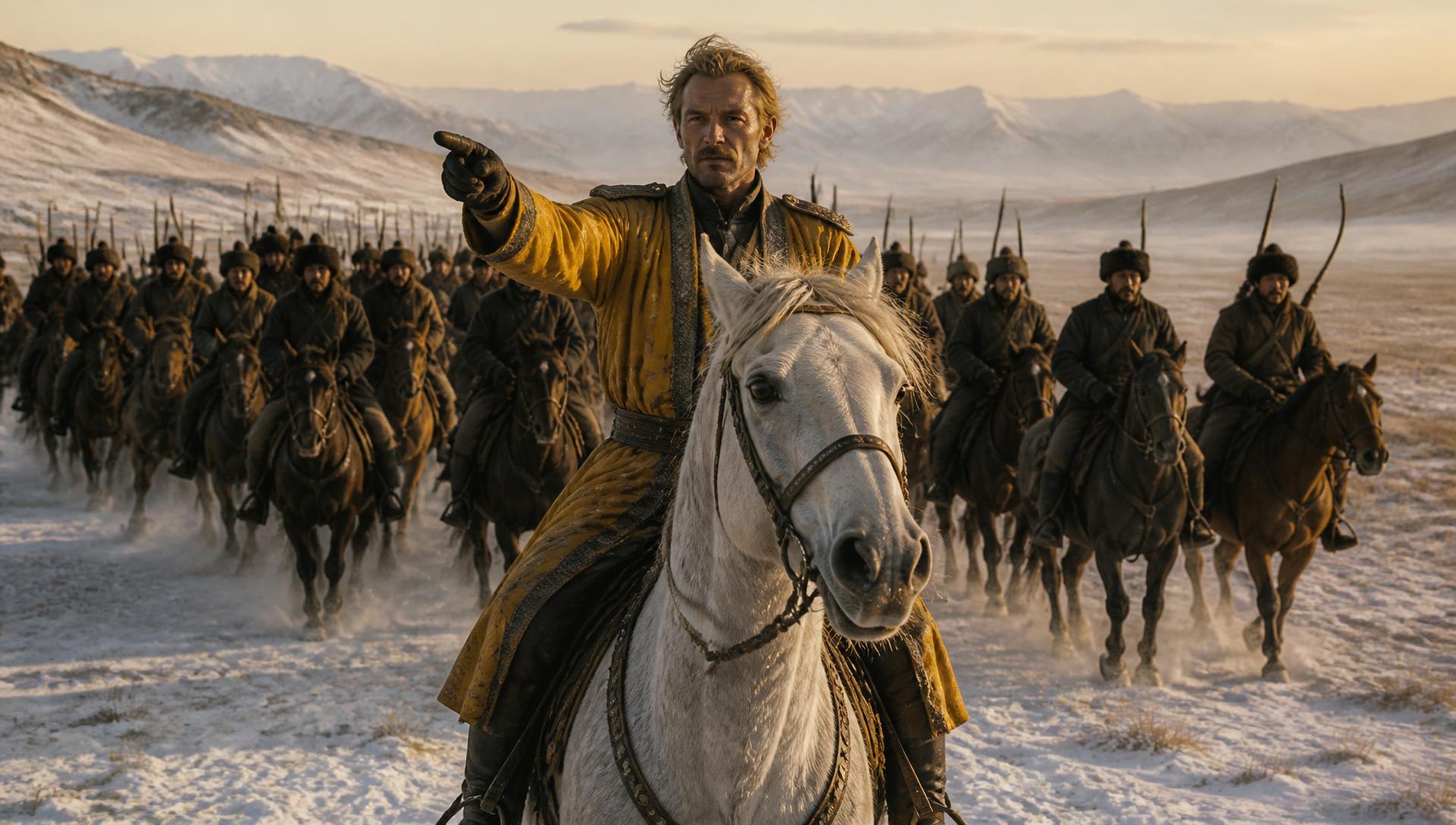
After two failed assaults in late 1920, Ungern's third attempt on Urga was built around a single act of theatre. On 1 February 1921 a small detachment of Tibetans and Mongols under his orders crossed the Tuul, climbed the Bogd Uul slope behind the Green Palace, overpowered the guard and carried the blind monarch out of captivity. The psychological effect on the Chinese garrison — and on the Mongol population watching bonfires burn on the sacred mountain — was worth more than a regiment.
The city fell over the following days. The Asian Cavalry Division entered Urga, the garrison broke north, and on 22 February 1921 the Bogd Khan was re-enthroned in a ceremony that made Ungern a Khan and a prince of the first rank. For roughly a week, the liberation narrative held.
What Restoration Cost
Then came the sack. Chinese shops were looted, and Sipailov's counter-intelligence began the systematic hunt through the Russian and Jewish quarters that turned the Urga occupation into a pogrom. The Bogd Khan's court, restored in name, found itself administering a city policed by a foreign division it could not command. Contemporary Mongolian accounts are careful on this point: the monarchy was returned, sovereignty was not.
The restored theocracy also inherited an economy with no currency. Chinese banknotes were worthless, Russian roubles were worse, and the only universally accepted medium in Urga in 1921 was metal. That reality is why the Mongol'Or concession — the country's principal gold operation, with assay facilities, an export licence and a Kyakhta trade channel — became politically important out of all proportion to its size, and why the concession's books are where White Khan argues the Kolchak bullion entered the legitimate economy.
Aftermath
The Bogd Khan outlived Ungern by three years. The Mongolian People's Party, backed by the Red Army, took Urga in July 1921 and kept him as a constitutional figurehead until his death in 1924, at which point the search for his next incarnation was forbidden and the People's Republic proclaimed. The Green Palace became a museum — the only one of the story's institutions to survive intact.
Historical Sources & Further Reading
- Urgunge Onon & Derrick Pritchatt, Asia's First Modern Revolution: Mongolia Proclaims its Independence in 1911 (Brill, 1989).
- Thomas E. Ewing, Between the Hammer and the Anvil? Chinese and Russian Policies in Outer Mongolia 1911–1921 (Indiana University, 1980).
- C. R. Bawden, The Modern History of Mongolia (Kegan Paul).
- Bogd Khan Winter Palace Museum collection records, Ulaanbaatar.
- Russian consular reports from Urga, 1919–1921.