Military History · October 1920 – February 1921 · 10 min read
Battle of Urga — Details & Military Strategies of War in 1920s Mongolia
In November 1920 a Chinese garrison of perhaps ten thousand men held Urga against a cavalry division of under two thousand and beat it decisively. Three months later the same division, barely larger, took the city in three days. The difference is the most instructive thing in the whole campaign.
The Ground
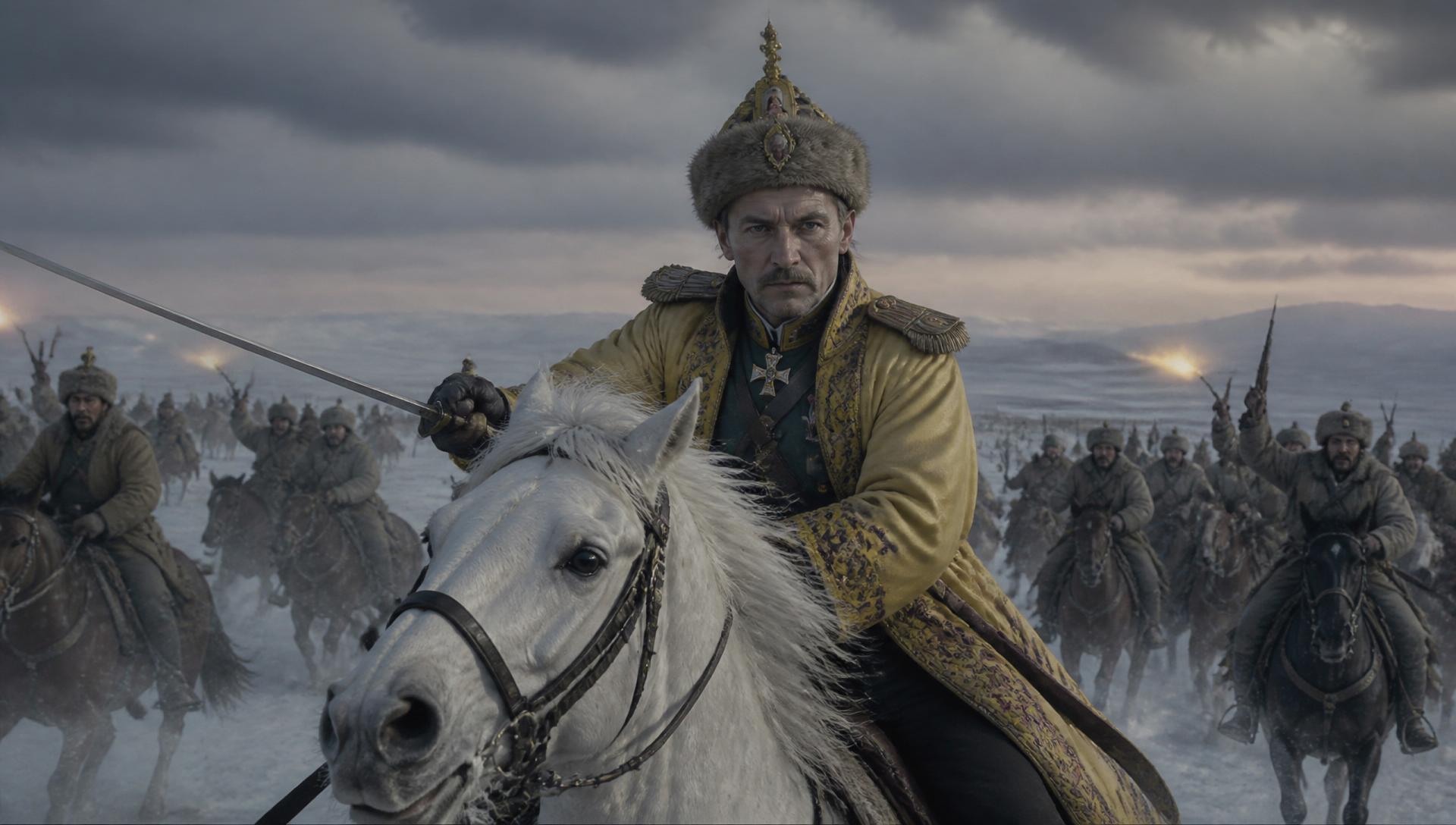
Urga lay in the Tuul river valley, hemmed to the south by the sacred massif of Bogd Uul and open to the north and east. It was not a walled city. Its defensible features were the Chinese trading quarter of Maimaicheng to the east, hastily entrenched with wire and trench lines, the barracks quarter, and the Green Palace complex south of the river where the Bogd Khan was held.
The Chinese Northwestern Frontier Army garrison was numerically overwhelming and materially superior — machine guns, some artillery, secure ammunition stocks. Its weaknesses were political and logistical: unpaid troops, hostile Mongol population, an isolated line of communication running back through Kalgan across the Gobi, and no cavalry capable of contesting the open steppe.
The Failed Assaults, October–November 1920
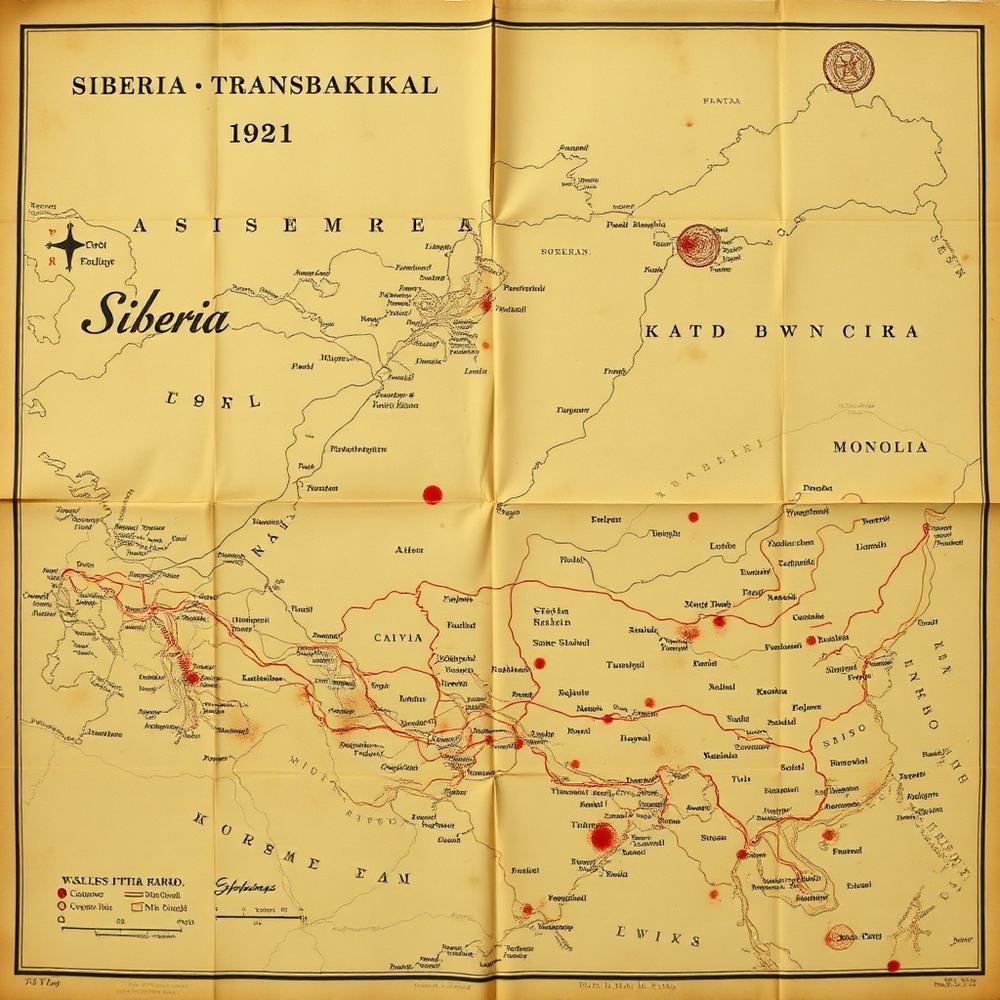
Ungern's first attempt in late October 1920 was a probing attack that achieved surprise and nothing else. The second, over several days at the start of November, was a frontal effort against the Maimaicheng defences. Both failed for the same reasons: no artillery worth the name, no reliable ammunition resupply, and an attempt to use shock cavalry against entrenched machine guns.
Losses were severe — perhaps a quarter of the division — and the survivors withdrew east into the Kherlen valley in a Mongolian winter with insufficient food, forage, remounts and cartridges. By any conventional reckoning the Asian Cavalry Division was finished as a formation in November 1920.
The Kherlen Winter: What Actually Changed
Over three months the division was rebuilt. Mongol princes and monastic estates supplied men, horses and provisions once it became clear the Baron intended to free the Bogd Khan. Tibetan and Buryat contingents arrived. Deserters and Chinese-army defectors were absorbed. Most importantly, munitions and remounts were bought — in quantity, from traders who wanted metal, not paper.
That purchasing is the operationally decisive fact of the campaign and the least documented. White Khan's reconstruction identifies the source as the Mongol'Or concession's accounts: bullion moved south from the Kolchak reserve, re-poured and declared as concession production by Israel-Eli Zanzer, then disbursed as remount contracts, cartridge purchases and caravan payments. A division cannot buy its way back into existence with a manifesto.
The February Operation
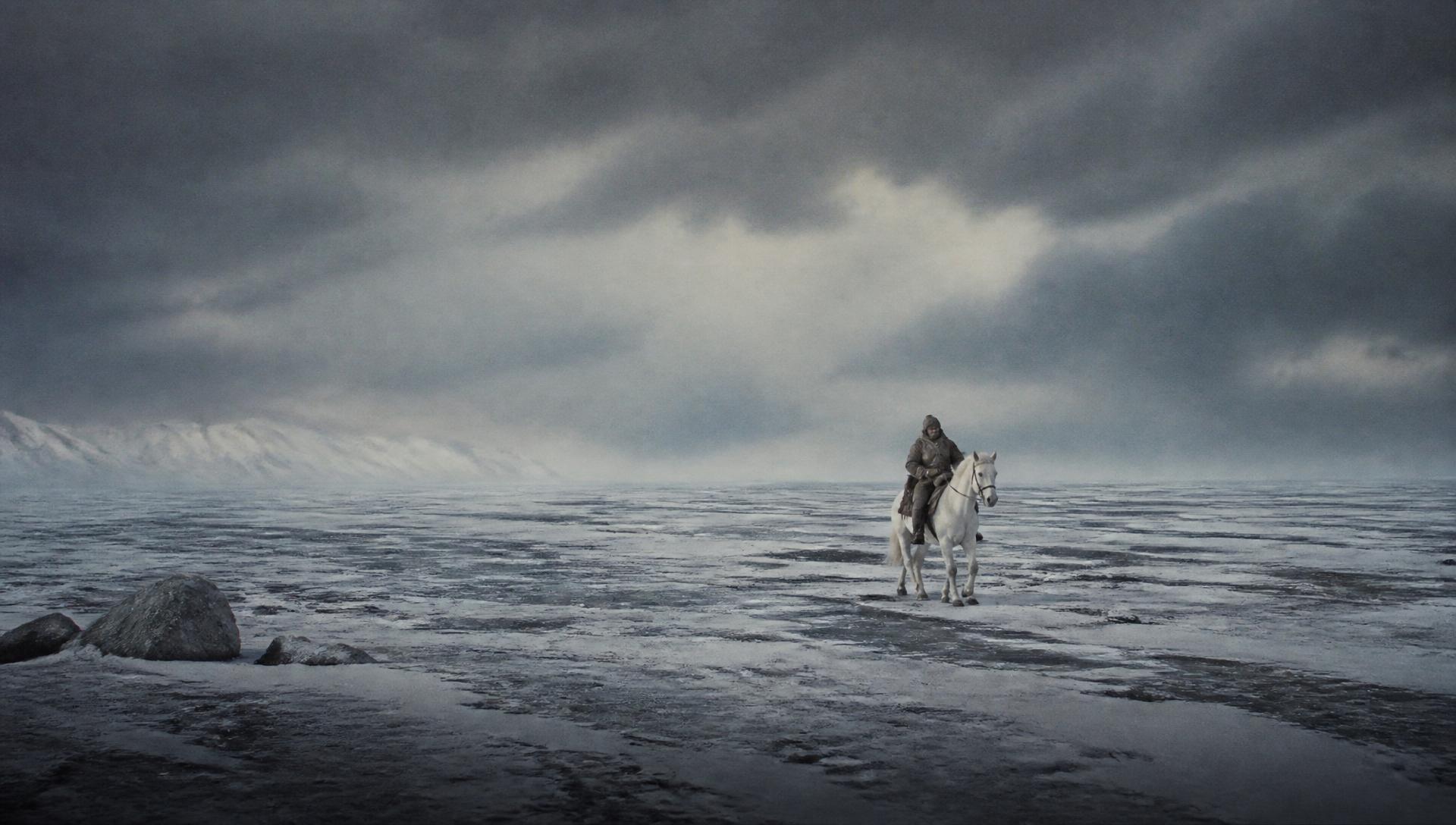
The February assault was designed as psychological warfare with a military component, not the reverse. On the nights before the attack Ungern ordered great bonfires lit in ranks along the slopes of Bogd Uul, visible from the entire valley, suggesting a force many times the division's actual size and — for the Mongol population and the Chinese soldiery alike — invoking the sacred mountain itself.
On 1 February a small mixed detachment of Tibetans and Mongols crossed the Tuul, scaled the approach to the Green Palace, killed or overpowered the guard and extracted the Bogd Khan. The garrison learned that the living Buddha they had been holding as their principal political asset was gone, and that his rescuers had walked through their perimeter to do it.
The assault proper followed over roughly three days: converging attacks on Maimaicheng and the barracks quarter, dismounted infantry fighting by Russian officer companies with cavalry held for pursuit, and Mongol units cutting the Kalgan road to prevent an ordered withdrawal south. The garrison broke and streamed north and east, where it was ridden down in the open by the cavalry Ungern had deliberately kept out of the street fighting.
Tactical Lessons
Three principles carried the operation. First, the division fought dismounted where the ground favoured infantry and mounted only in pursuit — the opposite of the November error. Second, it attacked the enemy's political cohesion rather than its strongest position: removing the Bogd Khan dissolved the garrison's reason to hold. Third, it isolated the line of retreat before assaulting, converting a defeat into a rout.
The campaign is also a study in the limits of the method. Four months later the same division, using the same shock-and-mobility doctrine, was destroyed at Troitskosavsk by a Red Army that had artillery, machine-gun discipline, secure supply and no interest whatever in omens.
The Sack
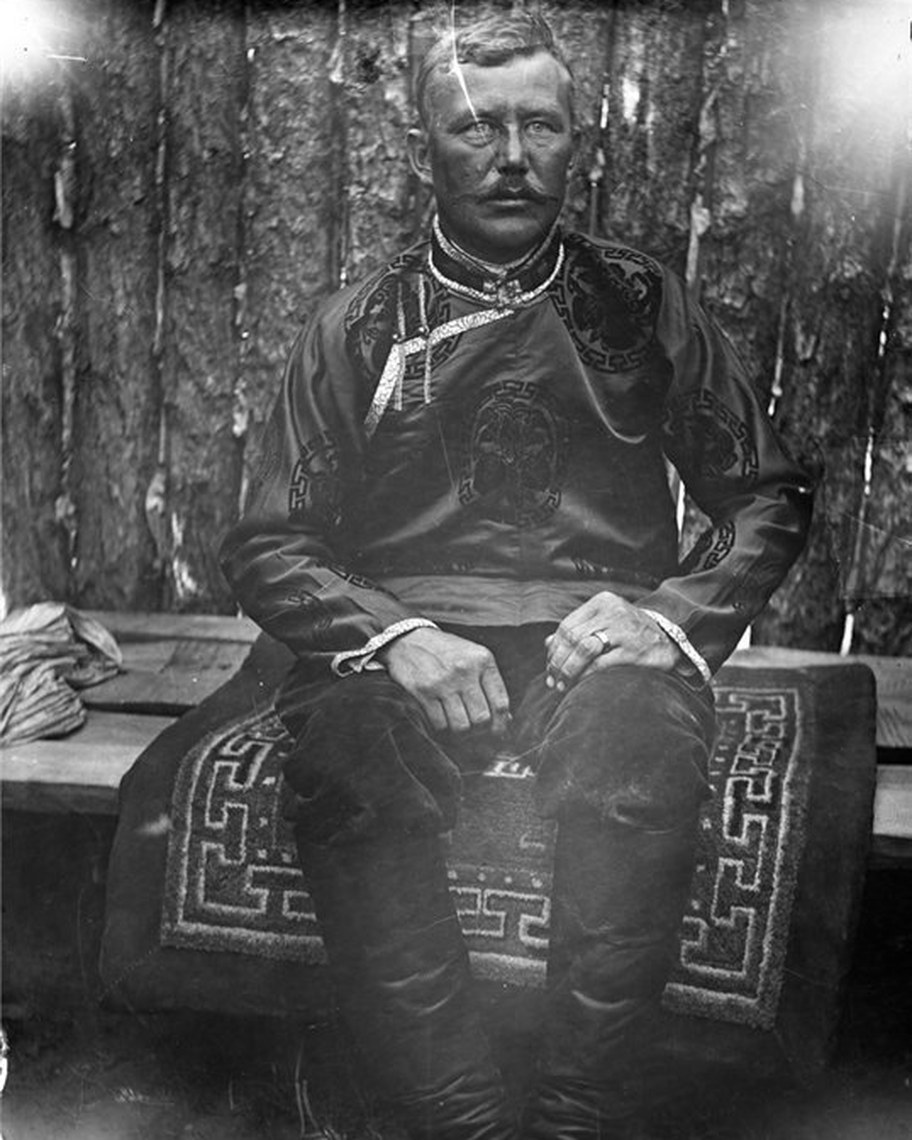
Military success ended on day three. What followed — the looting of Maimaicheng and Sipailov's house-to-house killings in the Russian and Jewish quarters — destroyed the political capital the operation had generated and set the terms on which Mongolia would remember the Urga occupation.
Historical Sources & Further Reading
- James Palmer, The Bloody White Baron (Faber & Faber, 2008).
- Willard Sunderland, The Baron's Cloak (Cornell University Press, 2014).
- Ferdinand Ossendowski, Beasts, Men and Gods (1922).
- Soviet Fifth Army operational reports on the Mongolian theatre, 1921.
- Chinese Northwestern Frontier Army dispatches from Urga, 1920–1921.
- Testimony of captured Asian Cavalry Division officers, Novonikolayevsk, 1921.