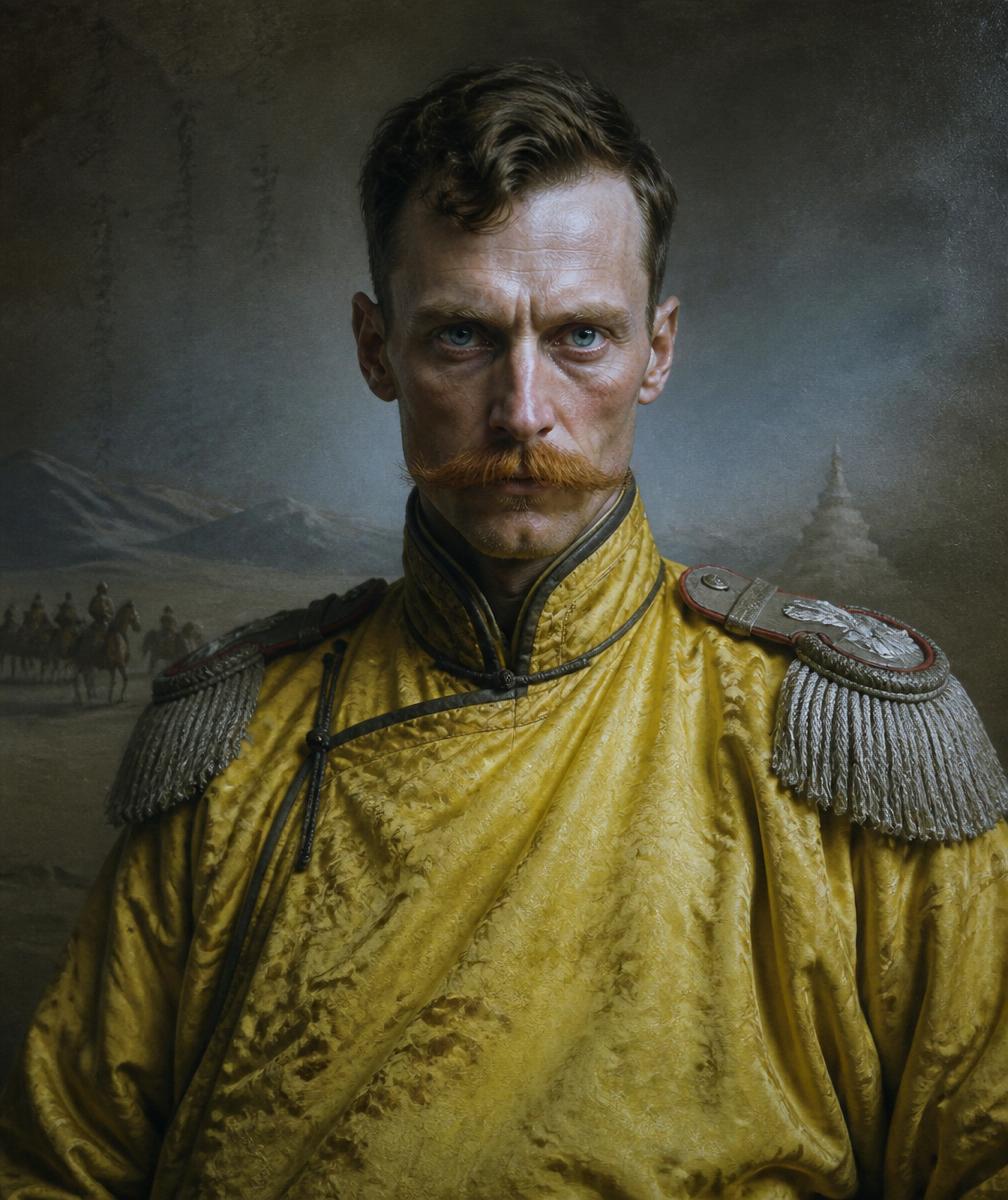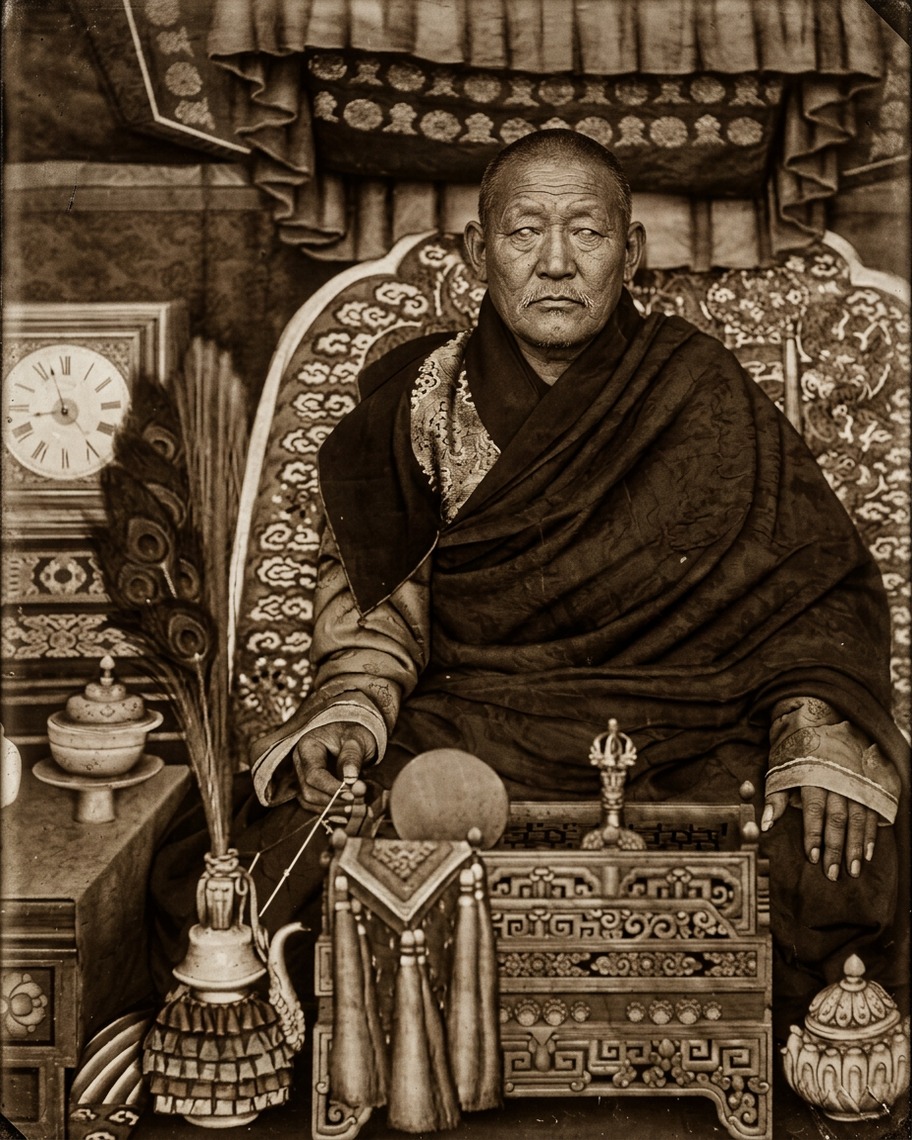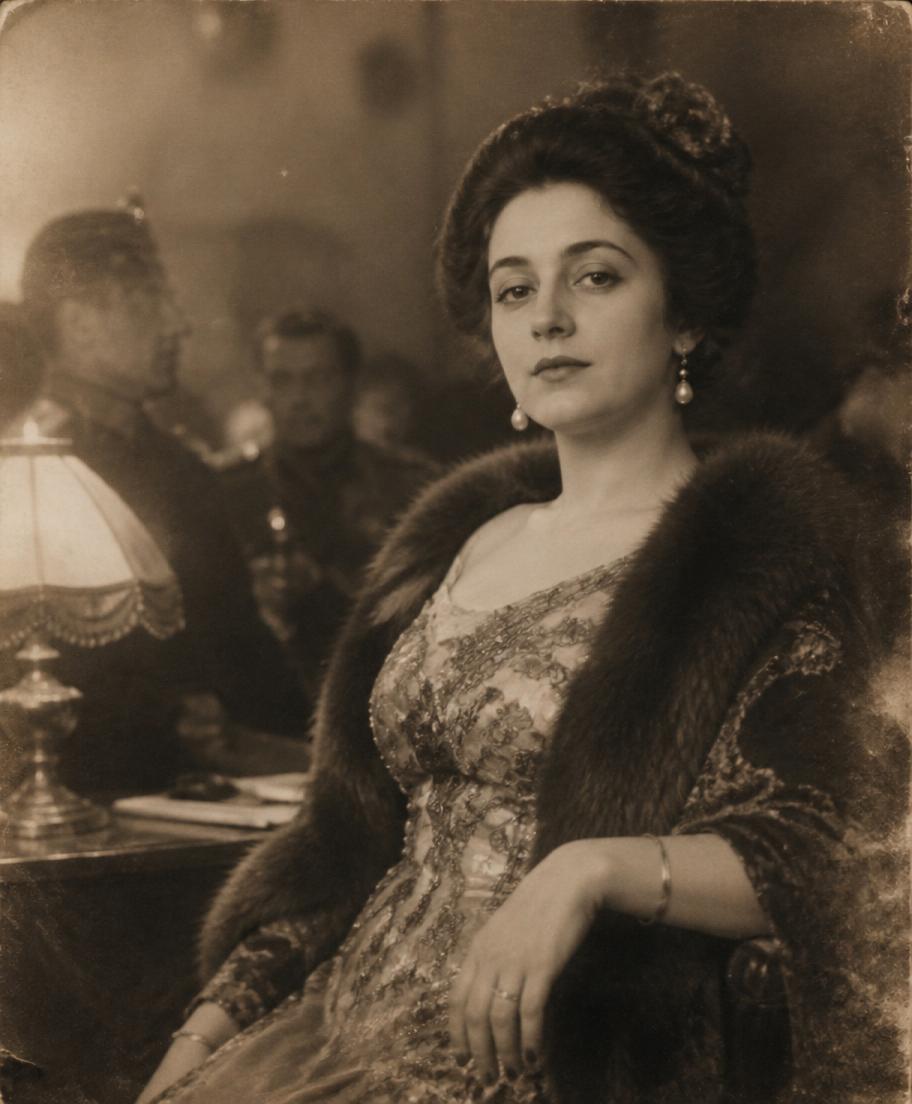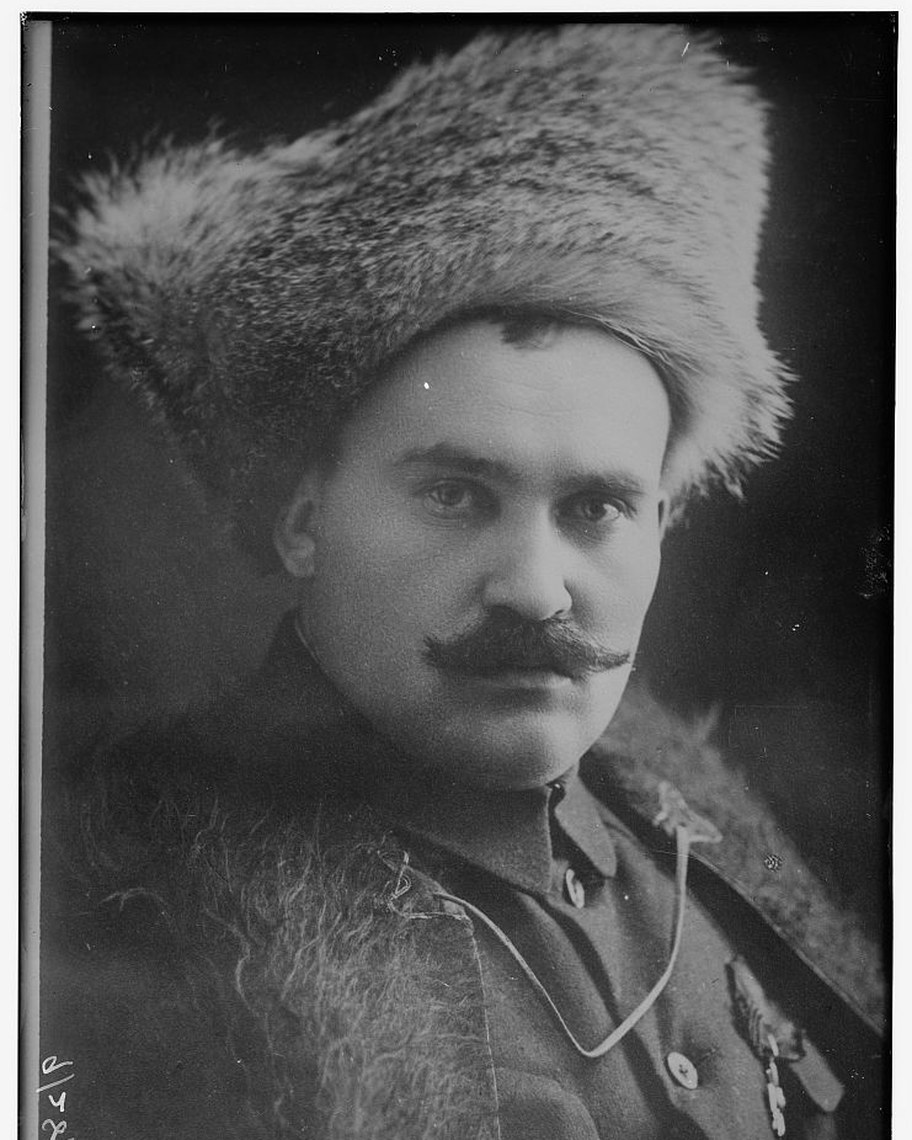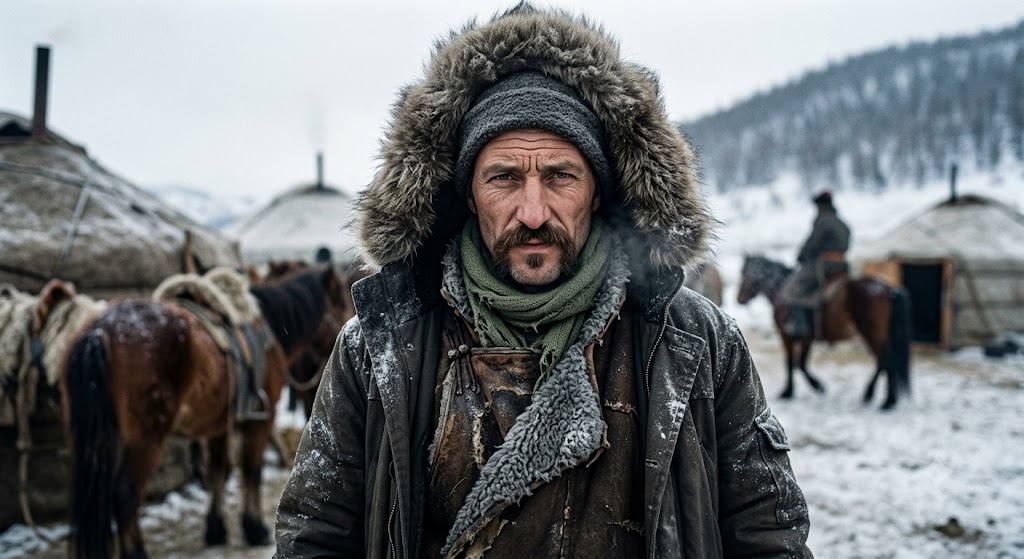
Character Dossier
Israel-Eli Zanzer
The Mining Engineer · fl. 1910s – 1920s
A Jewish mining man and trader who ran gold concessions out of Urga and spoke fluent Mongolian at a time when almost no foreigner did. When Ungern's pogrom began, he used his ledgers, his contacts and the ancient Mongolian law of hospitality to get people out alive.
- Origin
- Siberian Jewish merchant community
- Base
- Urga (Ulaanbaatar), Outer Mongolia
- Affiliation
- Mongol'Or gold concession · Urga Jewish community
- Known for
- Surviving the 1921 Urga pogrom and evacuating refugees
Founder Access
A Cold Siberian Noir 3-Season Web-Only Series
White Khan chronicles the explosive clash between the Mad Baron Roman von Ungern-Sternberg and Jewish mining engineer Israel Eli Zanzer across the lawless frontiers of 1920s Mongolia.
Join the Inner Circle for early-access screening windows, production dispatches, and an exclusive founder discount on season-by-season subscriptions before Season 1 premieres.
No spam. Direct dispatches, premiere alerts, and subscriber pricing only.
Section I
Historical Biography
Israel-Eli Zanzer — recorded in Russian-language sources as Alexander Zanzer — belonged to the small Jewish merchant world that grew up along the Siberian trade routes after families moved east beyond the Pale of Settlement. By the second decade of the twentieth century he was established in Urga, the Mongolian capital, speaking fluent Mongolian and working within the foreign commercial quarter that handled wool, hides, tea, credit and the gold concessions of the north.
That gold mattered. The Mongol'Or company, a Russian-chartered concession working placer deposits north of Urga, was the largest industrial enterprise in the country, and the men who ran its shafts, payrolls and bullion shipments held one of the few functioning financial systems between Lake Baikal and the Gobi. Zanzer moved inside that world, and his standing in it — combined with his languages and his relationships with Mongolian nobles and lamas — gave him access to the court of the Bogd Khan himself.
Urga in 1920 held perhaps 60,000 people: monasteries and ger quarters, a Chinese trading town at Maimaichen, a Russian consular settlement, and a Jewish community of a few dozen families. Ungern's capture of the city in February 1921 destroyed it. Convinced that Jews were by definition Bolshevik agents — a belief that had nothing to do with the traders and refugees actually living in Urga, most of whom had fled the revolution — the Baron licensed a systematic pogrom. Contemporary estimates put the number of Jews murdered in Urga in the dozens, a large proportion of the community.
Zanzer's survival is the reason his name is on the record at all. Using commercial cover, personal credit and long-standing obligations among Mongolian nobles, he sheltered and moved a group of refugees to safety — placed, according to the accounts that reached the émigré press, under the protection of the celebrated Mongolian patriot Prince Togtokh, who invoked the nomadic law of hospitality against the Baron's riders. Zanzer himself escaped Mongolia by the trade routes he had spent a decade learning. He is a marginal figure in the English-language literature on Ungern, which is overwhelmingly military; White Khan exists in part to correct that balance.
Section II
Historical Timeline
Pre-1918
Established in Urga
Trading and mining work out of the Mongolian capital, fluent in Mongolian, connected to both the foreign commercial quarter and the Bogd Khan's court.
1918 – 1919
War economy
Chinese occupation and the collapse of Russian currency turn the gold concessions into the region's de facto banking system.
1920
The Division approaches
Ungern's forces reach the Mongolian frontier; the mines north of Urga become a target for requisition by every armed faction on the steppe.
February 1921
The fall of Urga
The city changes hands. Chinese troops flee north; the pogrom against the Jewish community begins within days of the White entry.
Spring 1921
Sanctuary
Zanzer shelters and evacuates refugees, who are placed under the protection of Prince Togtokh; the nomadic law of hospitality is invoked against Ungern's hunting parties.
Summer – autumn 1921
Escape and aftermath
Leaves Mongolia by the southern trade routes as the Red Army and the Mongolian People's Party take Urga. Ungern is shot in September.
Section III
Appearance in the Novel
Zanzer is the novel's second protagonist and its moral centre: a pragmatist with no interest in crowns or prophecies who ends up holding the Baron's war treasury in his hands.
Key chapters of the 30-chapter blueprint
- Chapter 2 — Introduced running Mongol'Or's ledgers in Chita as Ungern requisitions the mine.
- Chapter 6 — The Dynamite Trail: night smelts turn imperial bars into clean bullion; he meets Uka of the mountain banner.
- Chapter 8 — The Secret Covenant: pledges his own neck as collateral for his community in a midnight meeting with the Baron.
- Chapter 12 — His demolition charges blow the Maimaichen gates from within during the storming of Urga.
- Chapters 14–15 — Confronts Rezukhin over the vaults, receives the Baron's protection, and builds the hidden sanctuary in the concession loft.
- Chapter 19 — The Steppe Wedding: nomad ceremony combined with ancient Jewish vows.
- Chapters 28–30 — The exodus across the Gobi and the epilogue.
Narrative dynamic
Where Ungern reads the world as prophecy, Zanzer reads it as logistics — dynamite, credit, horses, passes. The romance with Uka gives him the one thing his ledgers cannot: knowledge of the country itself, and the mountain routes that finally get his people out.
Section IV
Bibliography & Sources
- Contemporary Russian émigré press reports on the Urga pogrom of 1921, reproduced in S. L. Kuzmin (ed.), Baron Ungern in Documents and Memoirs (Moscow, 2004).
- James Palmer, The Bloody White Baron (Faber, 2008), chapters on the occupation of Urga and the killings.
- Ferdinand Ossendowski, Beasts, Men and Gods (1922) — an eyewitness account of Urga's foreign community under Ungern.
- Mongolor / Mongol'Or concession records discussed in Thomas Ewing, Between the Hammer and the Anvil? Chinese and Russian Policies in Outer Mongolia 1911–1921 (Indiana University, 1980).
- Alan J. K. Sanders, Historical Dictionary of Mongolia (Rowman & Littlefield) — entries on Urga's foreign communities and Prince Togtokh.
Section V